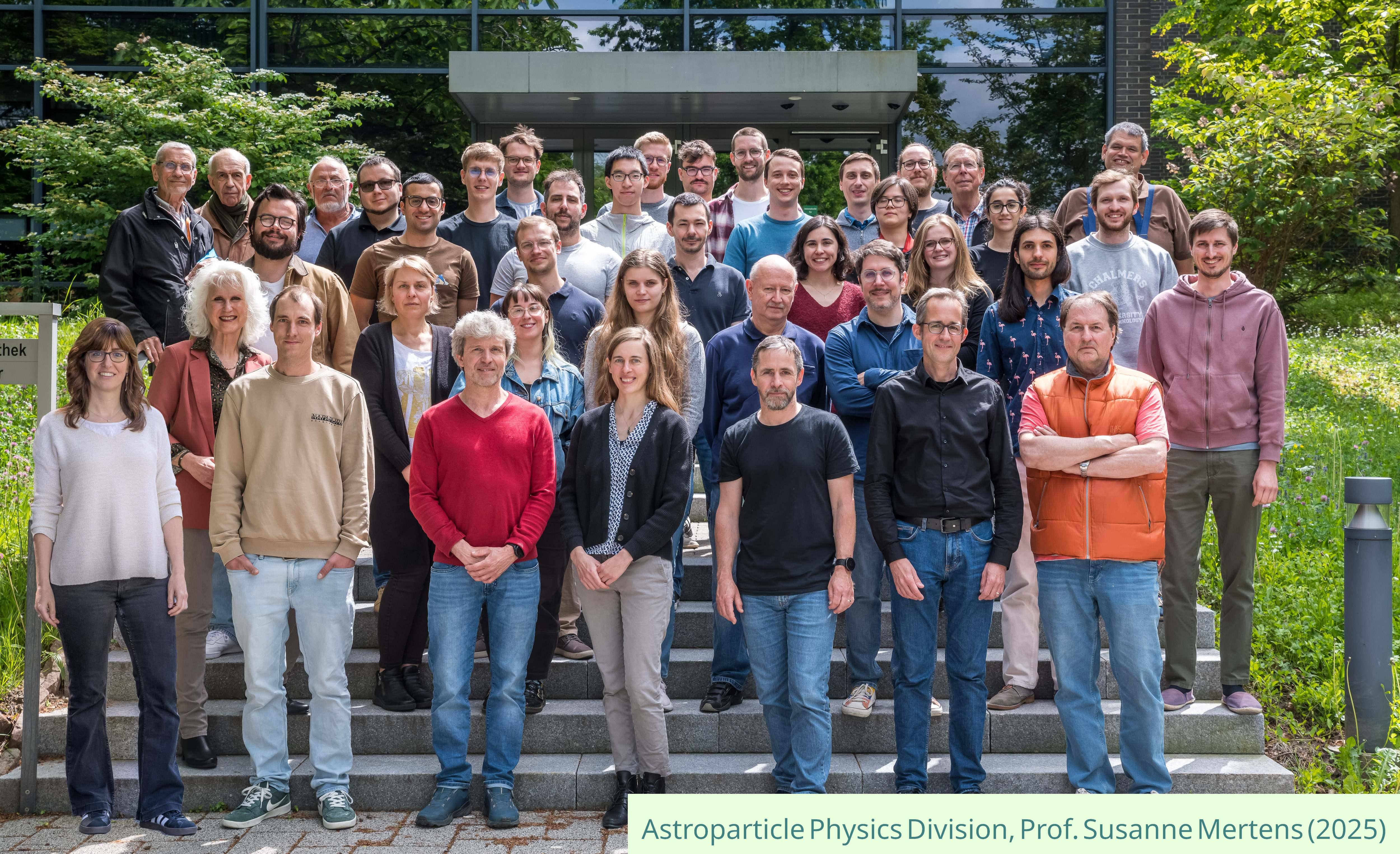

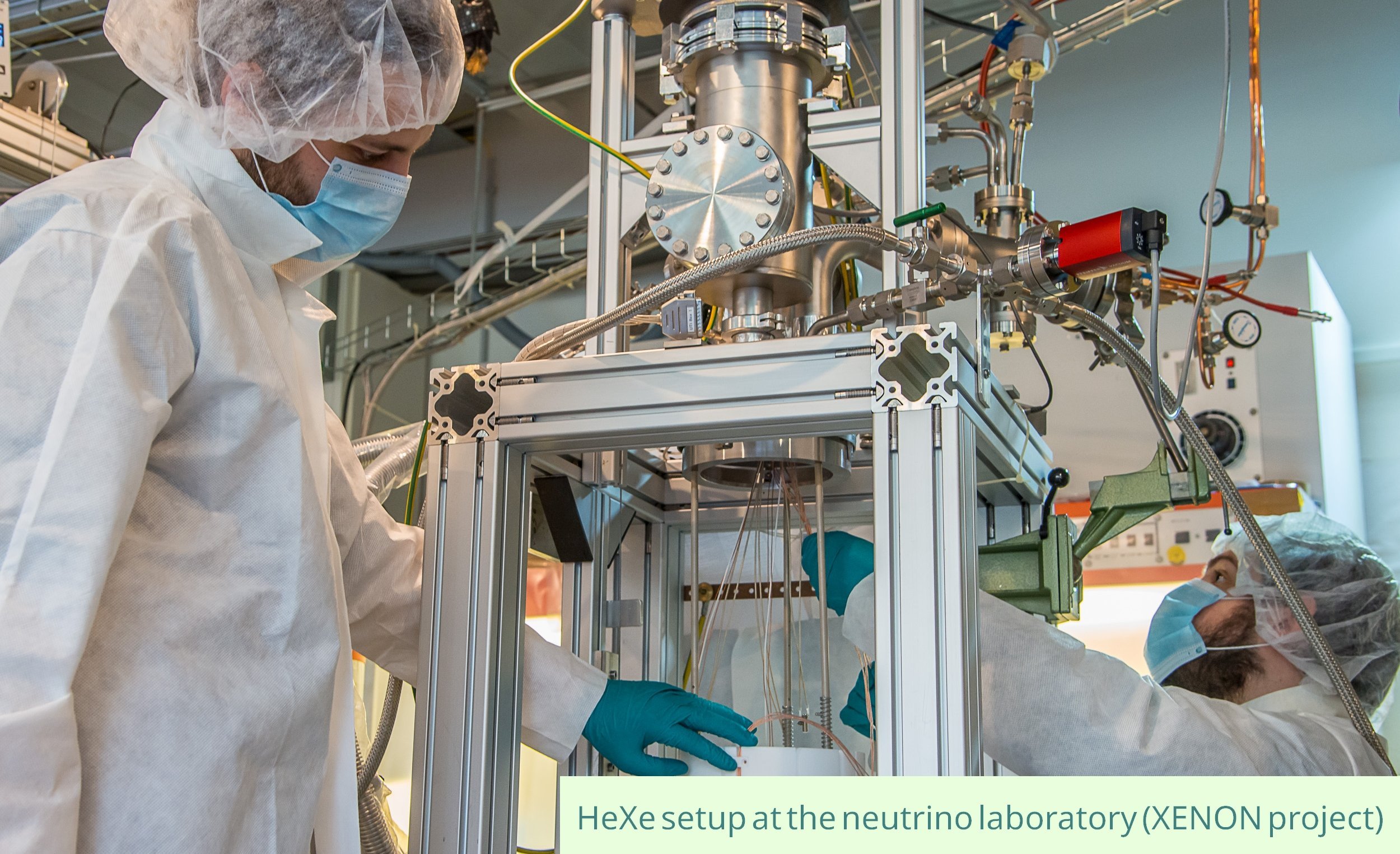
Susanne Mertens is the newest director at MPIK, starting in March 2025 and head of the astroparticle physics division. She is working in the field of experimental astroparticle physics and deals with some of the most fundamental questions in physics, such as the mass and properties of neutrinos, the origin of the matter-antimatter asymmetry in the universe and the nature of dark matter. Her research focuses on both data analysis and the development of new detector technologies for large-scale research projects to detect these fundamental building blocks of our universe. Prof. Mertens is involved in many of the world's leading research collaborations, often in leading positions as well, for example as co-spokesperson of the world-leading experiment KATRIN for measuring the neutrino mass, as PI of the TRISTAN project, a planned extension of KATRIN aimed at the detection of sterile neutrino detection or as PI of the ComPol project, a satellite mission to measure the X-ray polarization of the X-ray binary star system Cygnus X-1.
Webseite of the Professorship for Dark Matter at the TU Munich
Direktorin

Prof. Dr. Susanne Mertens
Tel.: +49 6221 516805
Assistenz

Anja Berneiser
Raum Ge334
Tel. +49 6221 516-801
sekretariat.mertens@mpi-hd.mpg.de
Nachrichten
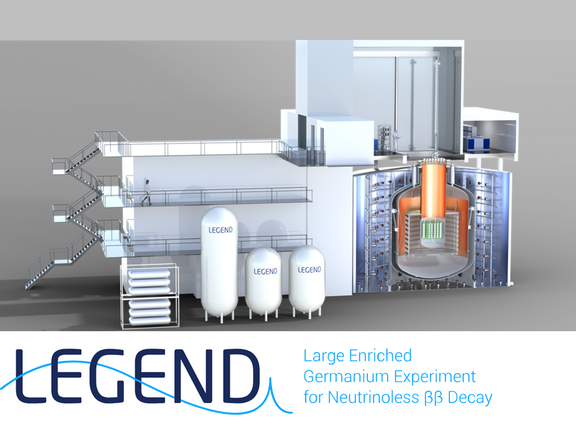
LEGEND-1000 on the shortlist for research infrastructures
As part of the national prioritisation process, nine proposals were selected from 32 submissions.
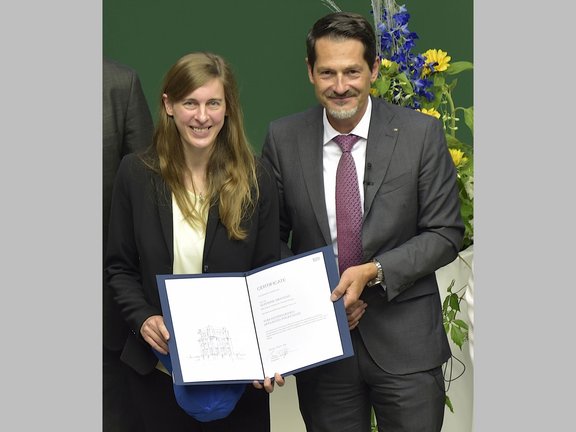
TUM Distinguished Affiliated Professorship for Susanne Mertens
MPIK director Susanne Mertens is honoured by the Technical University of Munich with the title “TUM Distinguished Affiliated Professor”.

Future of neutrinoless double-beta decay: summit at MPIK
The 3rd International Summit on the Future of Neutrinoless Double-beta Decay held at MPIK discussed strategy and roadmap for next-generation…