Gespeicherte und gekühlte Ionen
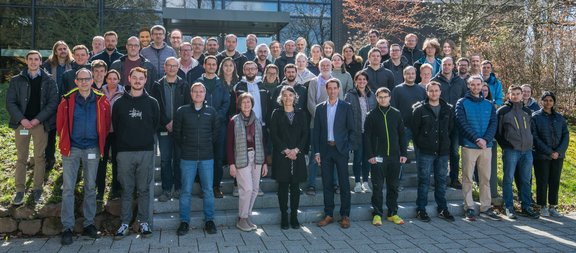
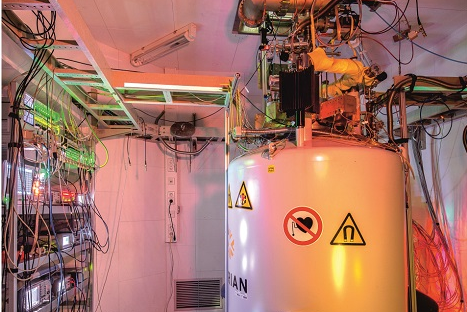
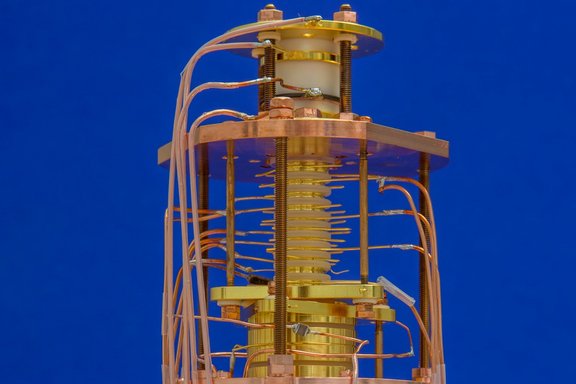
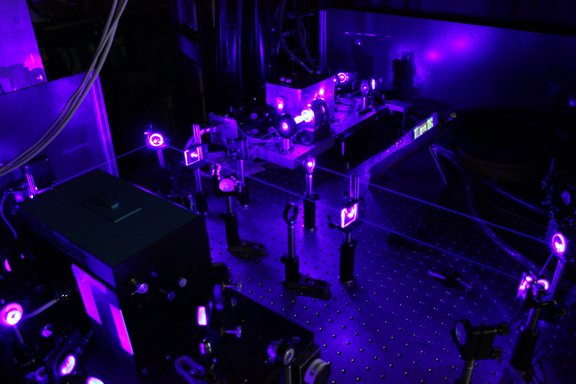
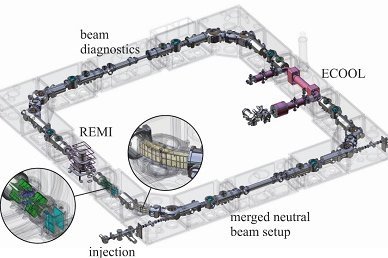
Die experimentelle Abteilung „Gespeicherte und gekühlte Ionen“ befasst sich mit Präzisionsexperimenten zur Bestimmung von atomaren und nuklearen Grundzustandseigenschaften gespeicherter Ionen für Tests fundamentaler Wechselwirkungen und ihren Symmetrien sowie mit der Erforschung elementarer Prozesse molekularer Ionen. Dazu werden kurzlebige Radionuklide, Antimaterie, hochgeladene Ionen oder einfache Molekülionen in Penningfallen oder im kryogenen Speicherring CSR unter Weltraumbedingungen gefangen. Auch die Entwicklung neuer Speicher-, Kühl- und Nachweistechniken für zukünftige Experimente ist ein wichtiger Forschungsschwerpunkt der Abteilung.
Bereiche der Forschung

Direktor
Assistenz
Gabriele Weese
Tel. +49 6221 516-851
Fax +49 6221 516-852
sekretariat.blaum at mpi-hd.mpg.de
Nachrichten
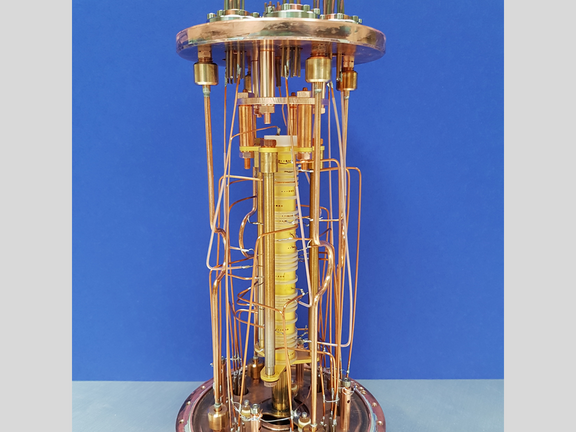
Welche Masse hat ein ruhendes Neutrino? Das ist eine der großen, noch offenen Fragen der Physik. Denn Neutrinos haben eine zentrale Funktion in der…

Klaus Blaum neues Mitglied der Leopoldina
Das Präsidium der „Deutschen Akademie der Naturforscher Leopoldina – Nationale Akademie der Wissenschaften“ hat Prof. Dr. Klaus Blaum, Direktor am…
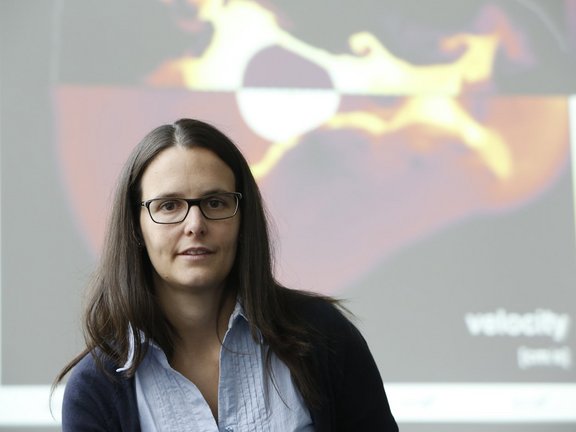
Almudena Arcones Max-Planck-Fellow am MPIK
Ursprung der schweren Elemente: Kernmaterie unter extremen Bedingungen